Zelenskiy Blasts Trump's Diesel Deal and Calls Russian Peace Moves a Parody
At an EU summit in Brussels, Zelenskiy condemned Trump's diesel deal with Russia and called Moscow's peace posture a parody. Europe now faces a larger share of Ukraine's war bill.
Key points
- Zelenskiy called Russian peace moves a "parody" after Trump announced a mutual energy ceasefire that Ukraine then abandoned by striking a Russian refinery.
- Trump labelled Ukrainian refinery strikes "a disgrace"; Zelenskiy called EU leaders "real leaders" in a pointed dig at Washington.
- Ukraine needs €155 billion next year and is short €70 billion; the EU is likely to provide a new loan, per Estonian PM Michal.
- Energy prices have soared since the Iran war; the EU is deeply divided on its budget.
- Russia publicly broadcast the refinery attack on state media, breaking usual practice — a calculated effort to amplify Western divisions.
The Brussels Summit
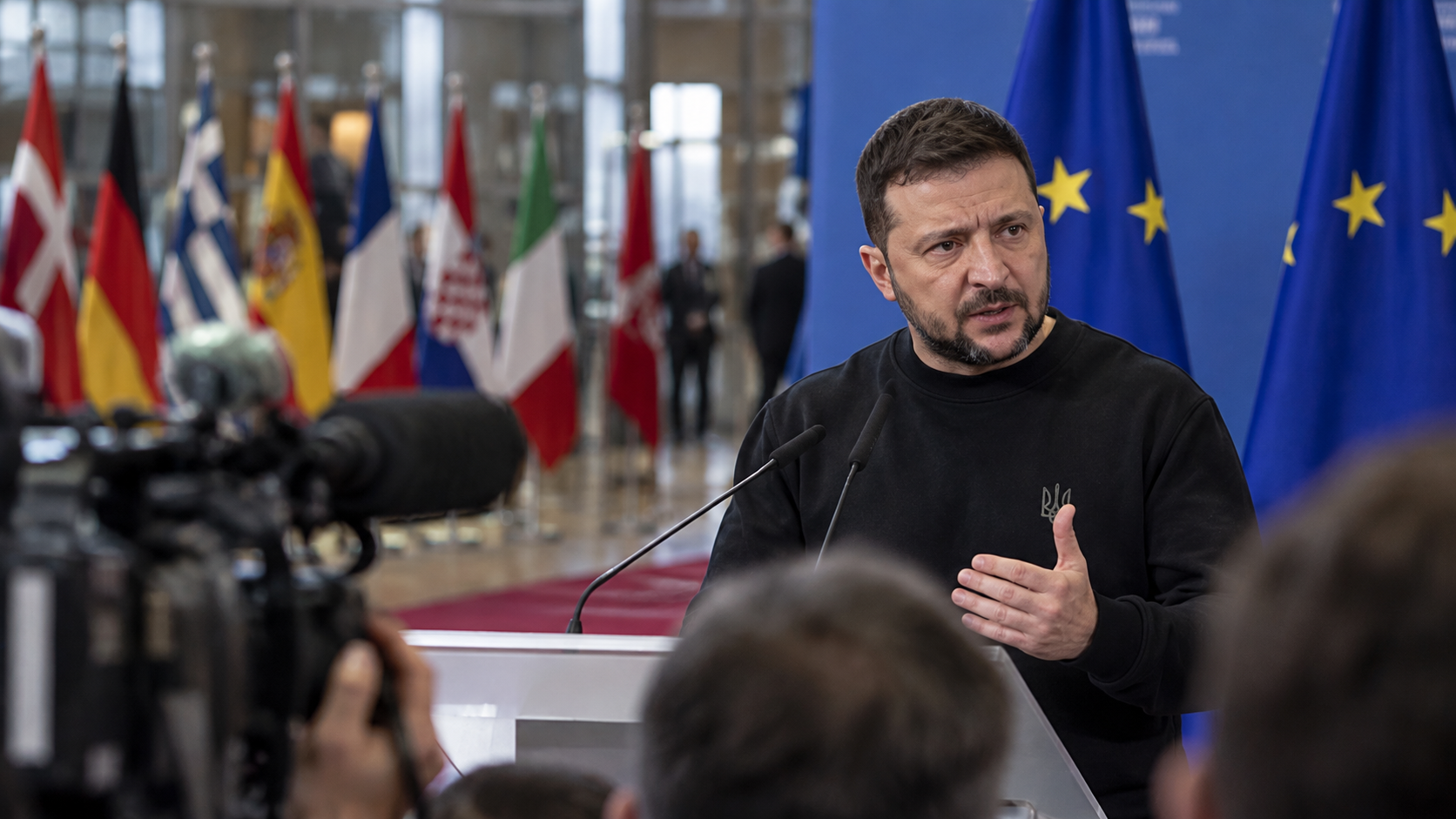
At an EU summit in Brussels on 16 October, Ukrainian President Volodymyr Zelenskiy condemned a US diesel deal with Russia and dismissed Moscow's peace posture as a parody. The exchange marked a sharp transatlantic split over how to handle the war.
He called Moscow's peace stance a "parody." Trump had announced a mutual energy ceasefire.
Zelenskiy abandoned it after Ukraine struck a Russian refinery. Trump called those strikes "a disgrace."
Zelenskiy called EU leaders "real leaders" in a pointed dig at Trump. Russian drone strikes on Kharkiv killed three people.
Hundreds of thousands were without power. The war will cost €155 billion next year.
Ukraine needs at least €70 billion more. Estonian PM Michal said the EU would likely provide a new loan.
EU leaders are deeply divided on budget. Energy prices have soared since the Iran war.
Kallas admitted Europe cannot replace Starlink short-term.
Transatlantic Drift
The US and Europe are drifting apart over Ukraine. Trump, facing midterm elections, treats Ukrainian refinery strikes as a domestic cost problem.
He surprised Zelenskiy with an energy ceasefire announcement. He then condemned Ukraine when it resumed strikes.
Zelenskiy refused to soften. His long pause and smile when asked about being scapegoated signals he has given up on accommodating Trump.
Europe is being pushed from financier to principal guarantor by default. Kallas's admission that Europe cannot replace Starlink short-term acknowledges a hard dependency.
Russia publicly broadcast the refinery attack on state media. This breaks its usual practice.
It suggests a calculated effort to amplify Western divisions.
The Diesel Deal
The diesel deal gives Russia a new buyer for refined product. Ukraine was counting on economic pressure from these deals to hurt Russian export revenue.
That pressure is now weakened.
Zelenskiy's key point — that the deal "will never be enough to offset the impact of the Strait of Hormuz on global markets" — concedes the deeper truth.
The Iran war, not Ukrainian drones, is setting the marginal barrel. Washington gets a small reprieve on fuel costs.
It takes away one of the few economic levers Ukraine holds. The EU also struggles with high energy prices and deep budget disagreements.
Sweden's prime minister says members are "incredibly far apart."
The Fiscal Burden
Ukraine needs €155 billion next year. It is short €70 billion.
With the US stepping back, that bill falls on European governments. They face their own energy-driven inflation and political pressure.
The US is no longer the main financial backer of Ukraine's war effort. For Europe, this means harder choices.
How much to spend on defence. How to handle rising prices.
How to agree on a budget when member states are deeply divided. The macro signal is clear: the fiscal burden of European security is being repriced upward.